
Hearing Aid Fitting & Programming
Choosing prescription hearing aids isn’t as simple as picking a model and hoping it works. What really matters is how well they are selected, fit, and prescribed for your hearing loss.
Acoustic Audiology takes a more hands-on approach to that process. Each fitting starts with detailed testing and analysis, not estimates. This means you leave your visit knowing your hearing aids were fit purposefully, using real data and careful adjustments.
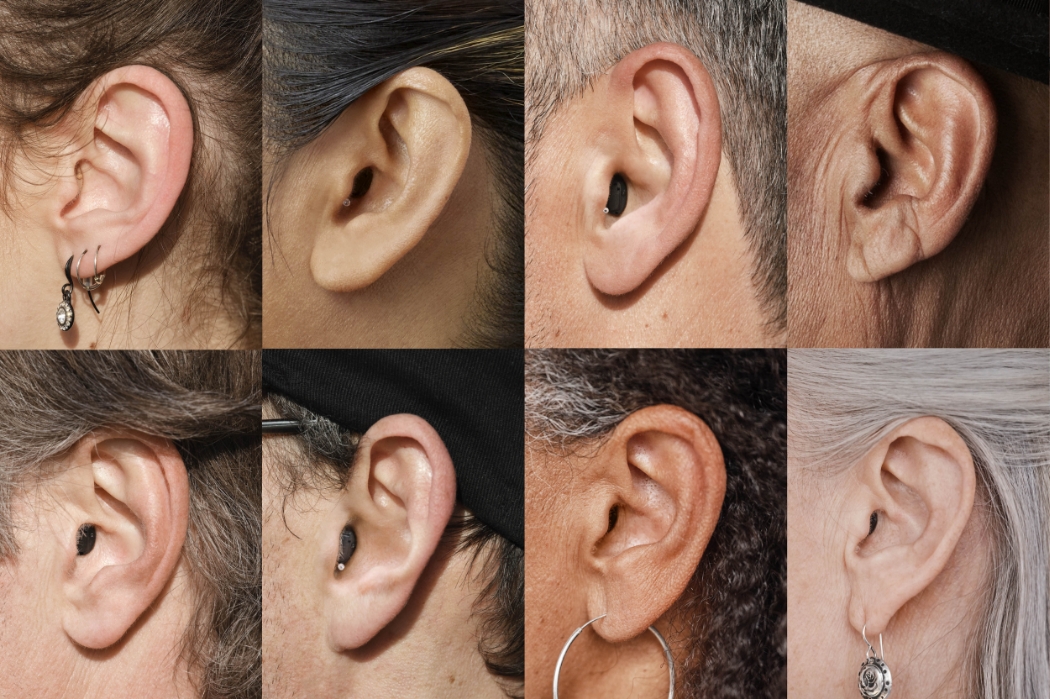

Understanding the Fitting Process
A successful fitting begins with a discussion about your lifestyle and the places where you struggle to hear. During this initial setup, the focus stays on physical comfort and sound quality, so your devices feel natural all day.
We focus on an accurate physical fit because even the best technology won’t be effective if it isn’t comfortable to wear. You can expect thorough instructions on how to handle your new hearing aids, including charging and cleaning routines.
Real Ear Measurements: The Gold Standard
Unlike prescription glasses, prescription hearing aids are not set to the patient’s prescription by the manufacturer. Audiologists and hearing aid practitioners have to program and adjust the devices.
Real ear measurement is the gold standard for fitting prescription hearing aids. Without it, a fitting is guesswork – an estimate of what your hearing aids might be doing rather than a measurement of what they actually are.
The easiest way to think about real ear measurements is as a hearing test with your prescription hearing aids in place. Instead of relying on the manufacturer’s estimates, we place small microphones in your ear canal and measure the sound actually being delivered at your eardrum. We perform this verification on every fitting to confirm your hearing aids match your prescribed sound and to maximize your outcomes.
That measurement matters more than you might expect. Ears come in all shapes and sizes, and every little twist and turn changes the way sound travels through your ear. Sound is impacted by the size of your ear canal, your skin, your ear’s cartilage and the shape of your head and upper body. There are too many variables to estimate, so we measure and adjust the hearing aids while they are in your ears.
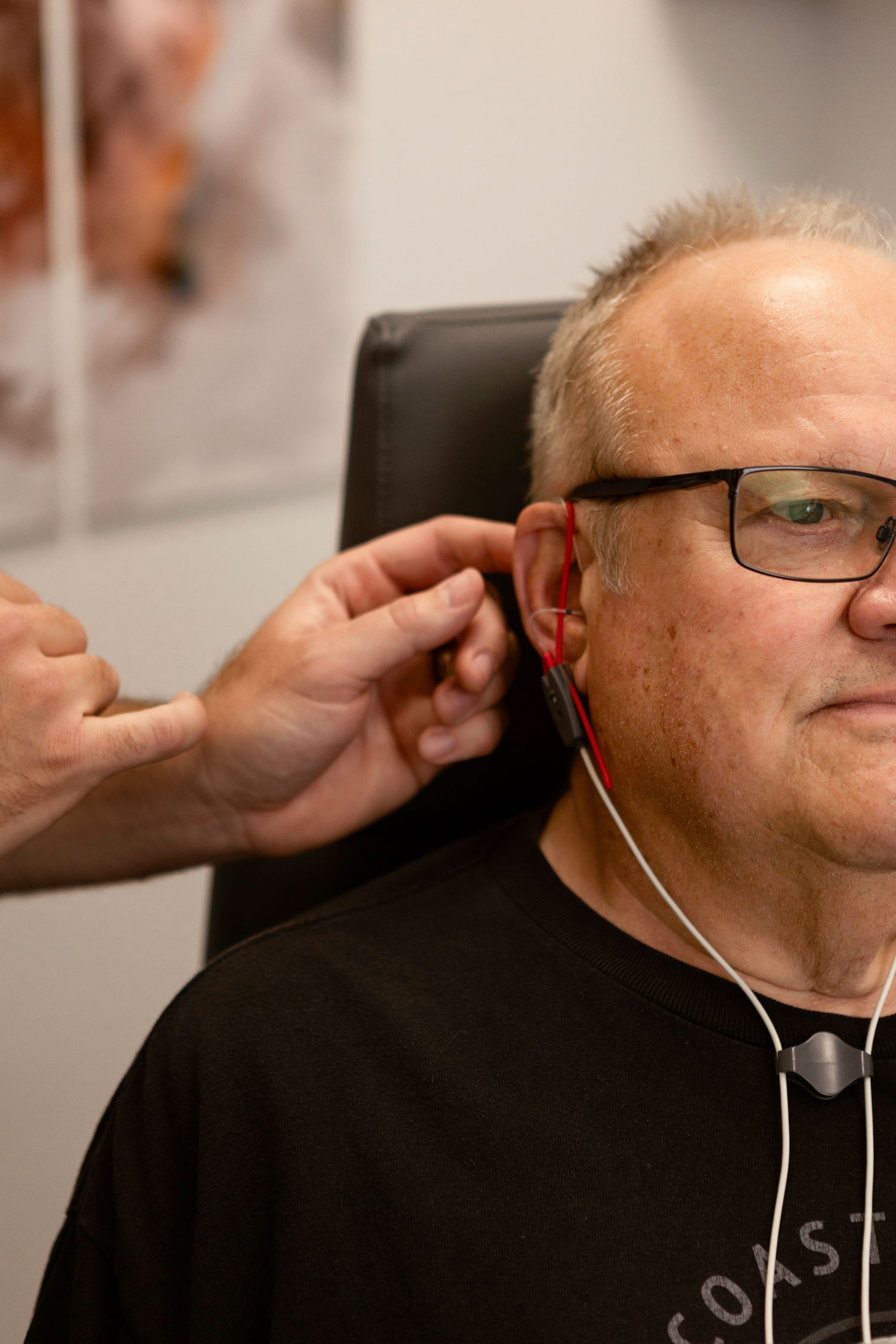
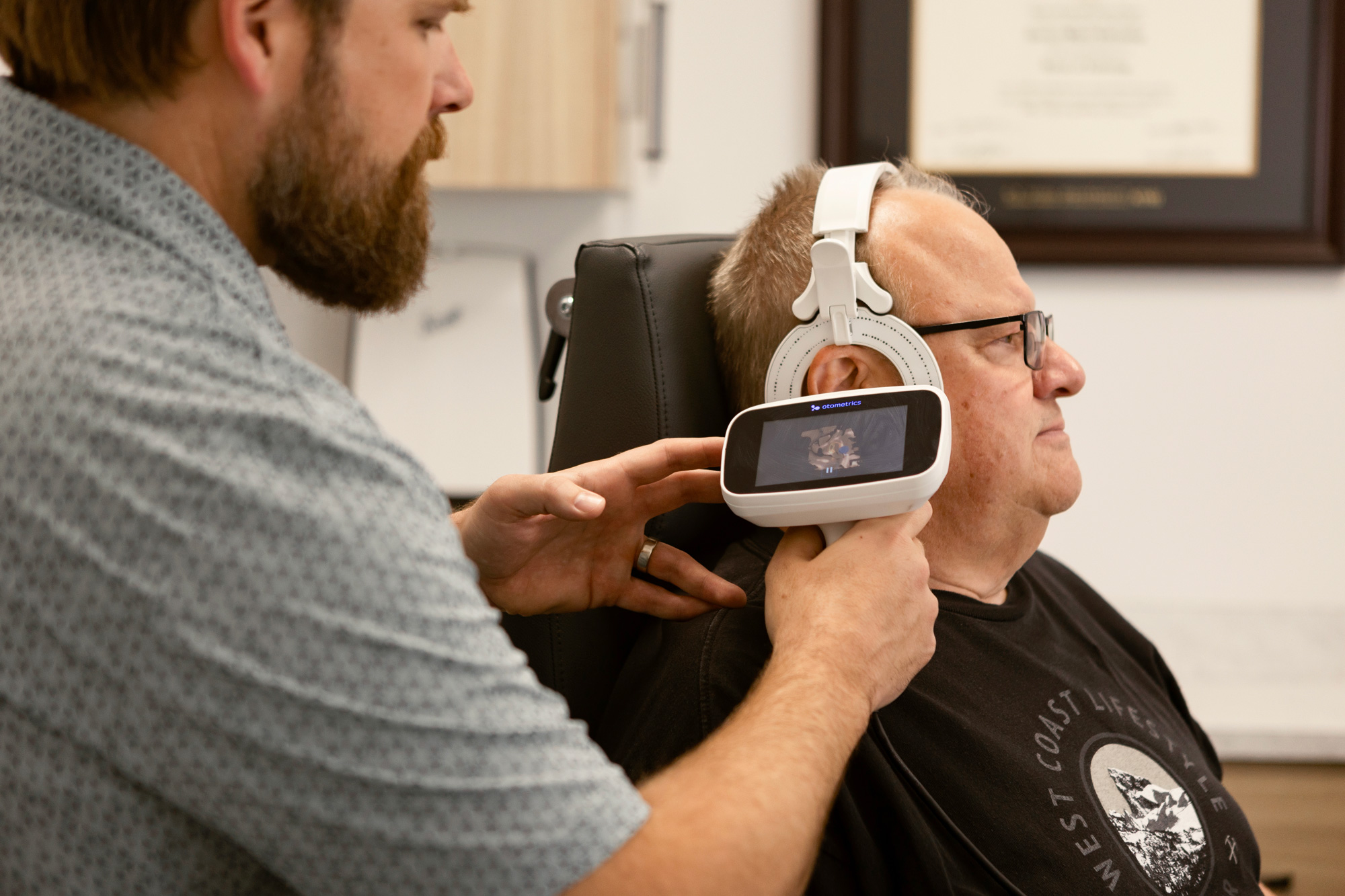
Despite being an essential part of best practice, approximately 70% of hearing care professionals do not routinely use real-ear measurements when fitting prescription hearing aids.¹ At Acoustic Audiology, they are a standard part of every fitting because of what they deliver:
- Increases successful outcomes of fittings
- Ensures prescription hearing aids are set to your hearing loss prescription
- Ensures proper functionality
- Focuses on the important function of being able to effectively hear human speech
- Engages both you and your family in the fitting process
- Provides immediate and tangible results
- Increases your confidence and comfort in using your new hearing aids
Real ear measurements are also called real ear probe tube verification or live speech mapping. The process is simple, yet it relies on advanced technology and experienced clinicians to analyze the information.
Your Prescription Is the Goal
Your hearing prescription is the target – the level of sound your hearing has been missing and the goal we’re working toward together. But reaching that target doesn’t happen all at once.
Think of walking out of a dark room into the daylight. At first, the light feels overwhelming, but your eyes adjust and soon it simply feels normal. Prescription hearing aids work the same way. Sounds that seem loud at first become comfortable and natural as your brain re-acclimates, a process that typically unfolds over weeks to months.
That’s why we treat your fitting as rehabilitation, not a single programming appointment. We gradually work you toward your full prescription as your brain adapts to the sounds it has been missing.
It’s worth knowing that patients can adapt to almost any hearing aid setting – but that doesn’t mean the setting is appropriate. Feeling comfortable isn’t the same as hearing well, which is why we verify every fitting against your prescription rather than settling for what merely feels familiar.
Fine-Tuning for Your Environment
Adjusting to new sounds takes time, and the initial programming is often just the starting point for your hearing health. Follow-up appointments allow for fine-tuning based on your actual experiences at home, at work or in noisy social settings.
Our audiologists emphasize a patient-first approach, taking the time to listen to your feedback and make small adjustments needed. Ongoing support helps your devices keep working the way they should as your needs change.
—
¹ Mueller, H. G., & Picou, E. M. (2010). Survey examines popularity of real-ear probe-microphone measures. The Hearing Journal, 63(5), 27–32. doi:10.1097/01.HJ.0000373447.52956.25