
Evaluation for Hearing Aids
There are several steps that are part of a hearing aid evaluation. If you suspect that you may need hearing aids, the first step is a comprehensive hearing assessment. During this appointment, we take a case history to understand how your hearing challenges affect your day-to-day life, as well as the lives of your family. You may also be asked a few basic questions about your general health history.
Hearing Test Results
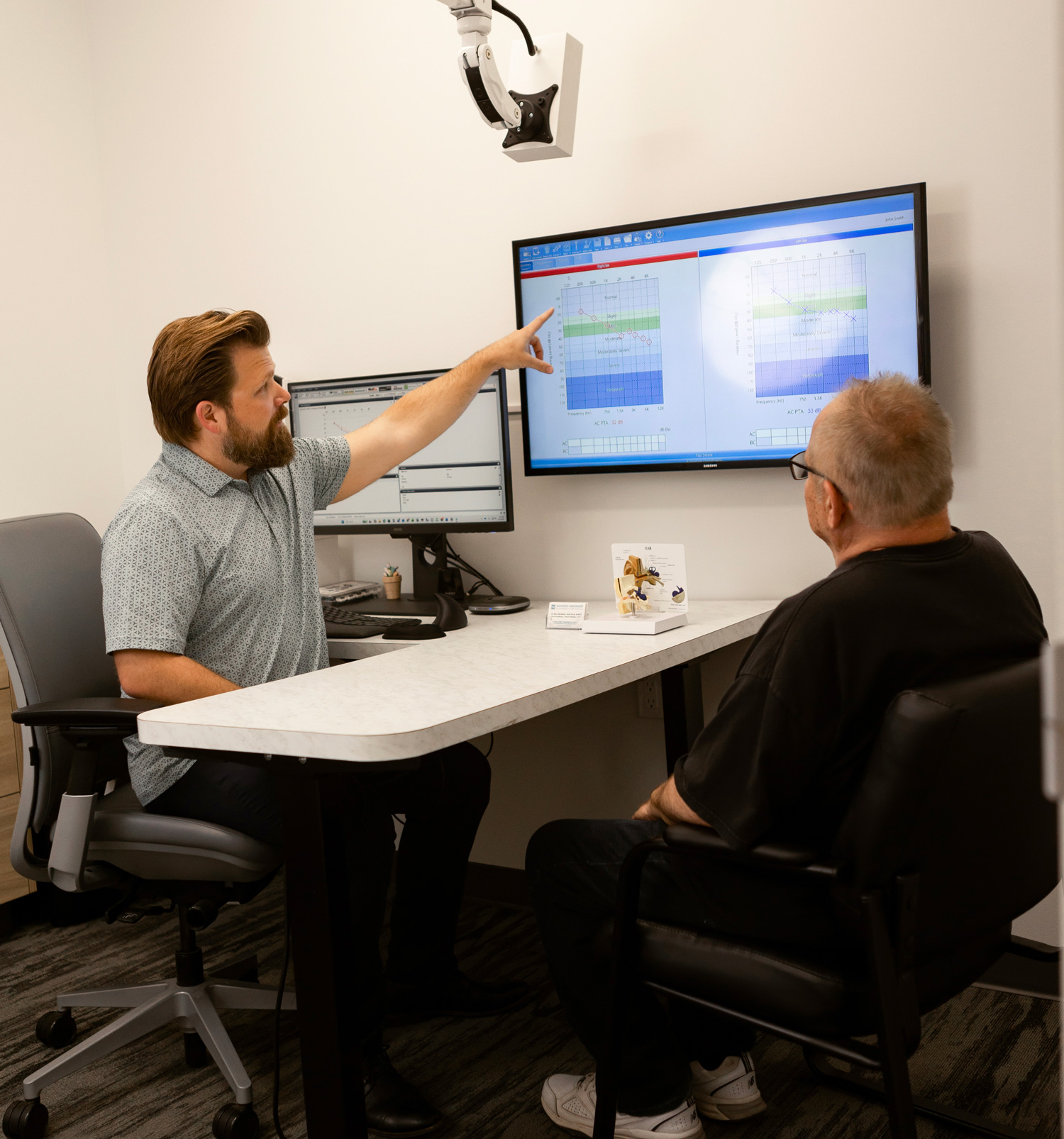
The results of your hearing assessment show which sounds you can hear, the degree and type of any hearing loss, and how clearly you understand speech. Based on these findings, the hearing care professional will recommend the most appropriate next steps. These recommendations may include hearing aids, communication strategies, monitoring, additional testing, or referral to another healthcare professional. However, most permanent hearing losses are best treated through a comprehensive hearing rehabilitation program involving prescription hearing aids.
Hearing Aid Recommendations
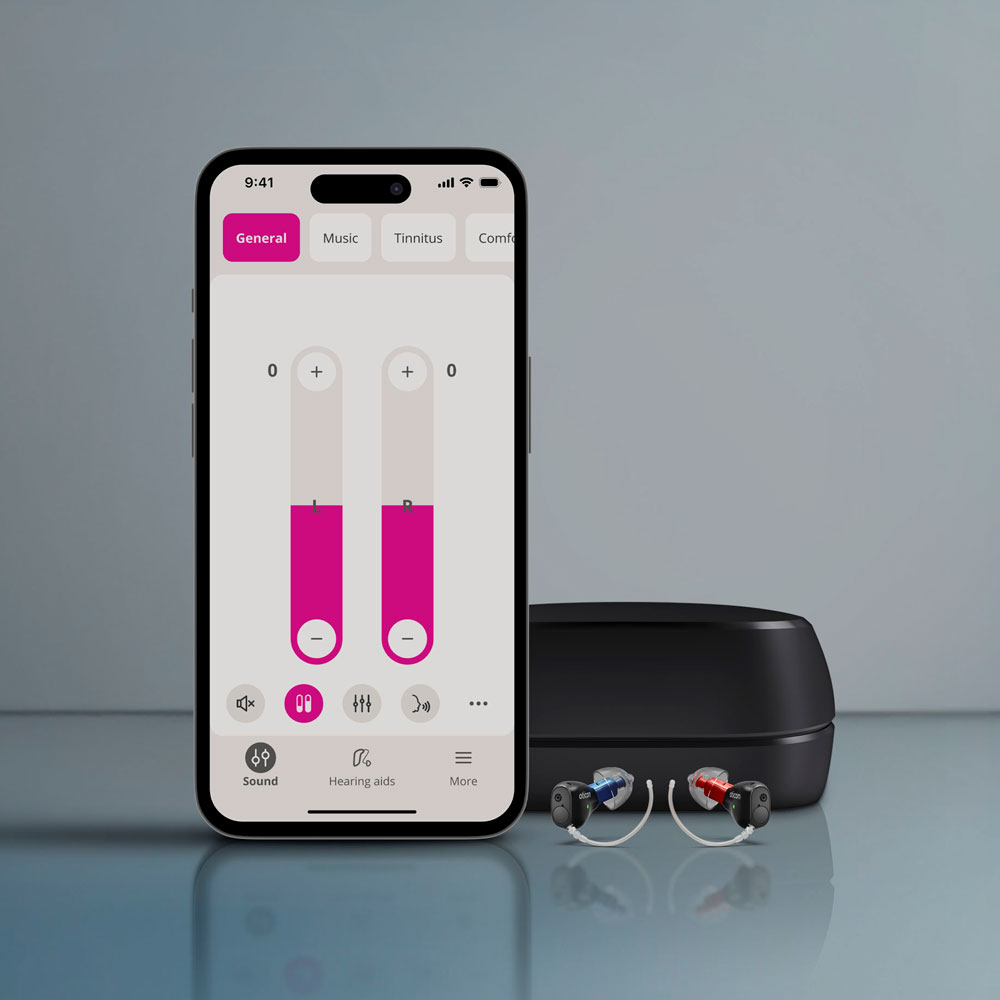
If your assessment reveals a permanent hearing loss, hearing aids may be recommended. Your hearing professional will explain which sounds you have difficulty hearing and what hearing aids can do to help. This is also when you’ll get to see and handle different styles of hearing aids.
Your hearing professional will help you choose the right style, features and level of technology based on your degree of hearing loss, lifestyle and financial circumstances. When selecting hearing aids, our recommendation is generally to choose the most advanced technology that fits reasonably within your budget. More advanced hearing aids give us a broader range of tools to address the hearing loss and personalize the treatment for your individual listening needs.
The final decision on which hearing aids to purchase is always yours. Our role is to make sure that decision is an informed one.
Digital Ear Scans & Impressions
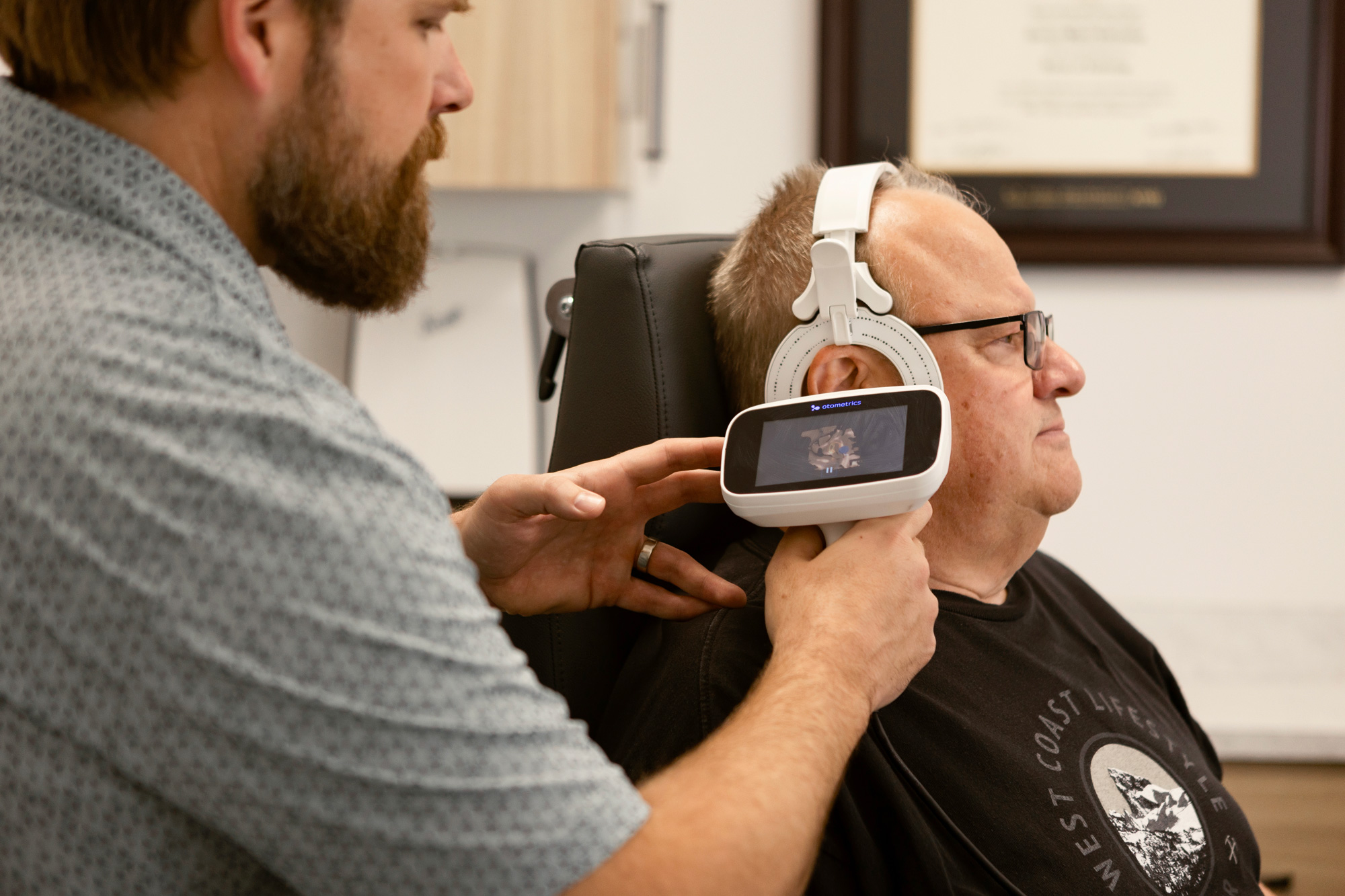
Once the hearing aids have been selected, the hearing professional may complete digital ear scans or take physical silicone impressions of your ears if custom hearing aids or behind-the-ear hearing aids with custom earmoulds are recommended.
Hearing Aid Fitting & Rehabilitation
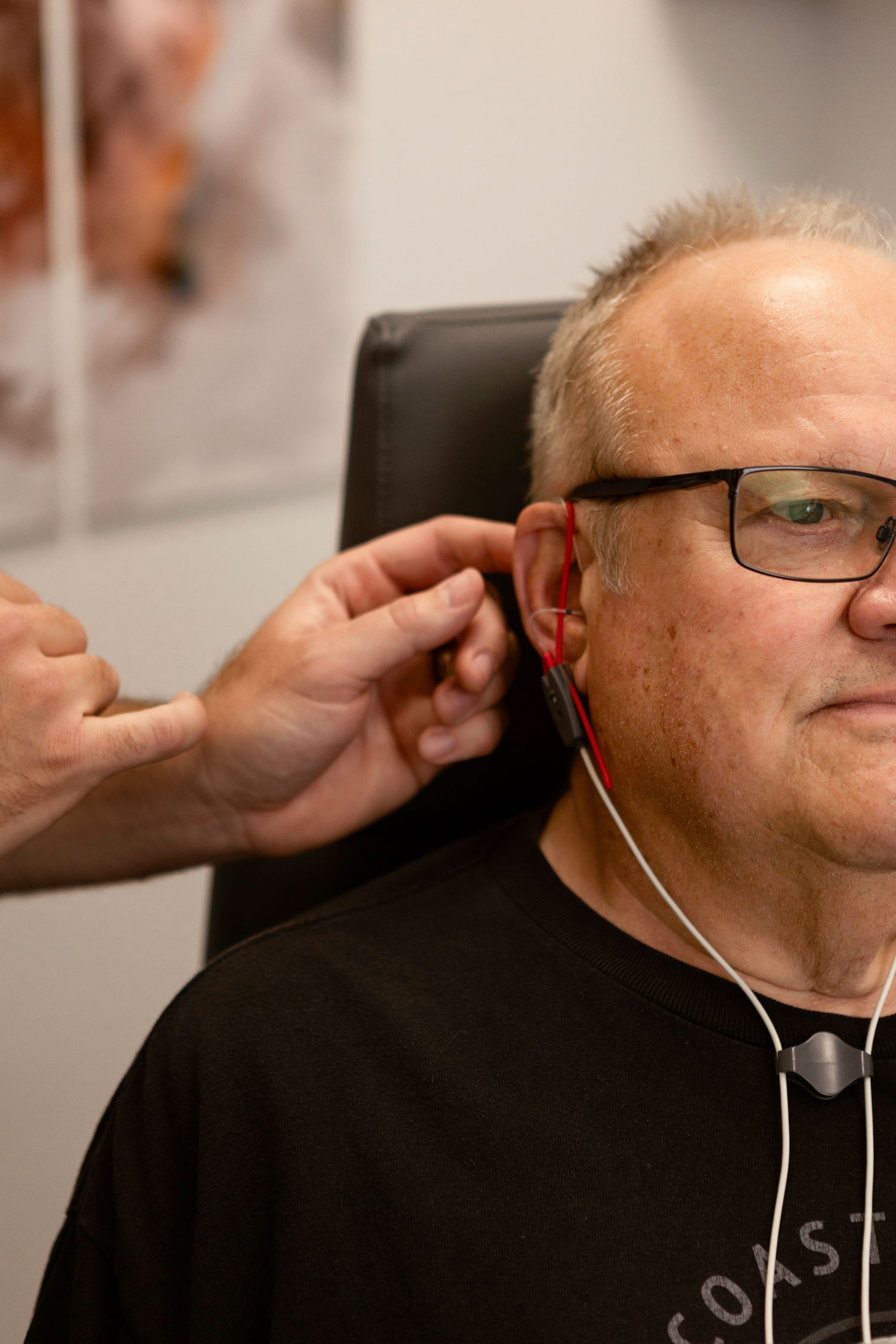
Your hearing aids are then ordered from the manufacturer, and a fitting appointment is scheduled. At the fitting, your hearing professional programs the devices to your individual hearing prescription and verifies that programming using real-ear measurements — a precise, objective confirmation that your hearing aids are delivering the right sound at your eardrum.
The fitting isn’t the end of the process. It’s the beginning of your rehabilitation. Hearing aids are medical devices, and they work best as part of a comprehensive rehabilitation program rather than as a one-time purchase. Your brain needs time to gradually acclimatize to the sounds it has been missing, so your settings may be adjusted over the following weeks as you adapt.
That’s why every fitting includes a 90-day trial and rehabilitation period. Throughout this time, we monitor your progress, fine-tune your devices and make sure your hearing aids are truly working for you in the situations that matter most.