
Hearing Tests
A hearing test is about more than identifying the softest sounds you can hear. It helps us understand which sounds may be difficult for you to detect, how clearly you understand speech, and how your hearing may be affecting everyday conversations.
At Acoustic Audiology, we take the time to explain your results in clear, practical terms. We connect the findings of your assessment to the difficulties you are experiencing and discuss the most appropriate options for improving your hearing and communication.
How Do You Know if a Hearing Test is Needed?
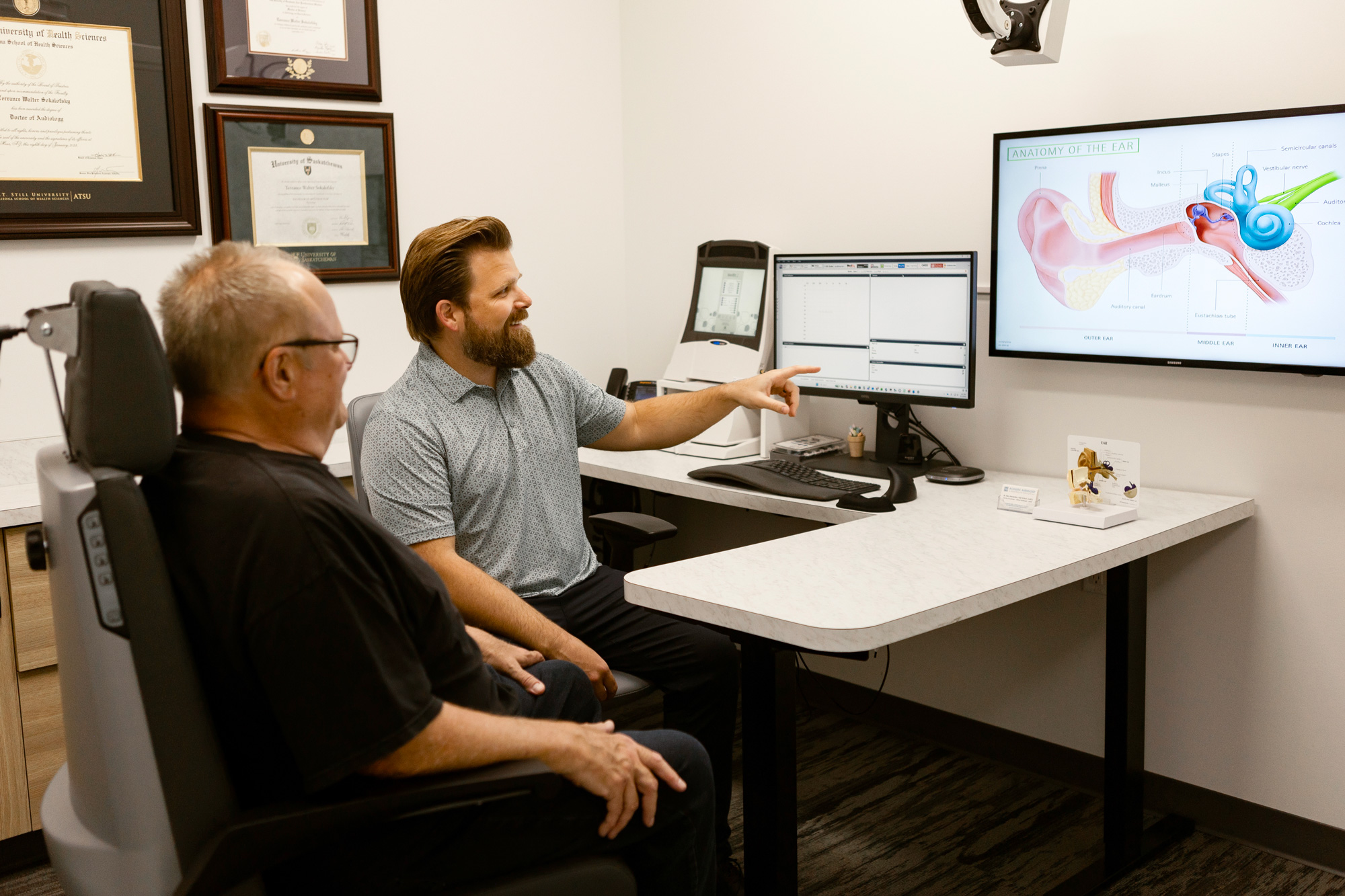
Determining if you need a hearing test often involves looking at how you handle complex listening environments. We frequently assist individuals who find that background noise in a busy room makes it harder to follow a single voice.
This struggle is common for those who feel that people are mumbling or that sound is loud enough but lacks clarity. Testing shows us exactly where the sound is dropping out, so you can stop straining to hear and actually enjoy being part of the group again.
Not All Hearing Tests Are the Same
“Hearing test” is a broad term that can describe very different levels of testing. It may refer to a basic screening, a limited assessment, a comprehensive diagnostic evaluation, or something in between. A screening can only tell you whether a hearing concern might exist, while a comprehensive evaluation examines your entire hearing system to determine what is happening and why.
This matters because if you have had a “hearing test” before, it was not necessarily a comprehensive one. Results from a quick screening can miss important details about your hearing health. That is why new patients at Acoustic Audiology generally receive a comprehensive hearing evaluation, giving us the complete picture we need to make the right recommendations for you.
Different Aspects of Hearing Tests

Otoscopy
We will inspect your ear canal and ear drum using an otoscope. This physical inspection will look for any blockages from ear wax or any abnormalities in your outer ear.

Otoacoustic Emissions
We will test the mobility and function of the outer hair cells in your inner ear, which are one of the most common parts of the hearing system to get damaged. This test can be used to screen a newborn’s hearing – it can even be done when you are sleeping!

Speech Audiometry
This is similar to pure tone audiometry, except you will listen to various words or phrases instead of beeps. These tests help us determine the accuracy of various other tests, as well as help us determine how well your entire hearing system works together. These tests are routinely carried out in quiet and in noise.

Pure Tone Audiometry
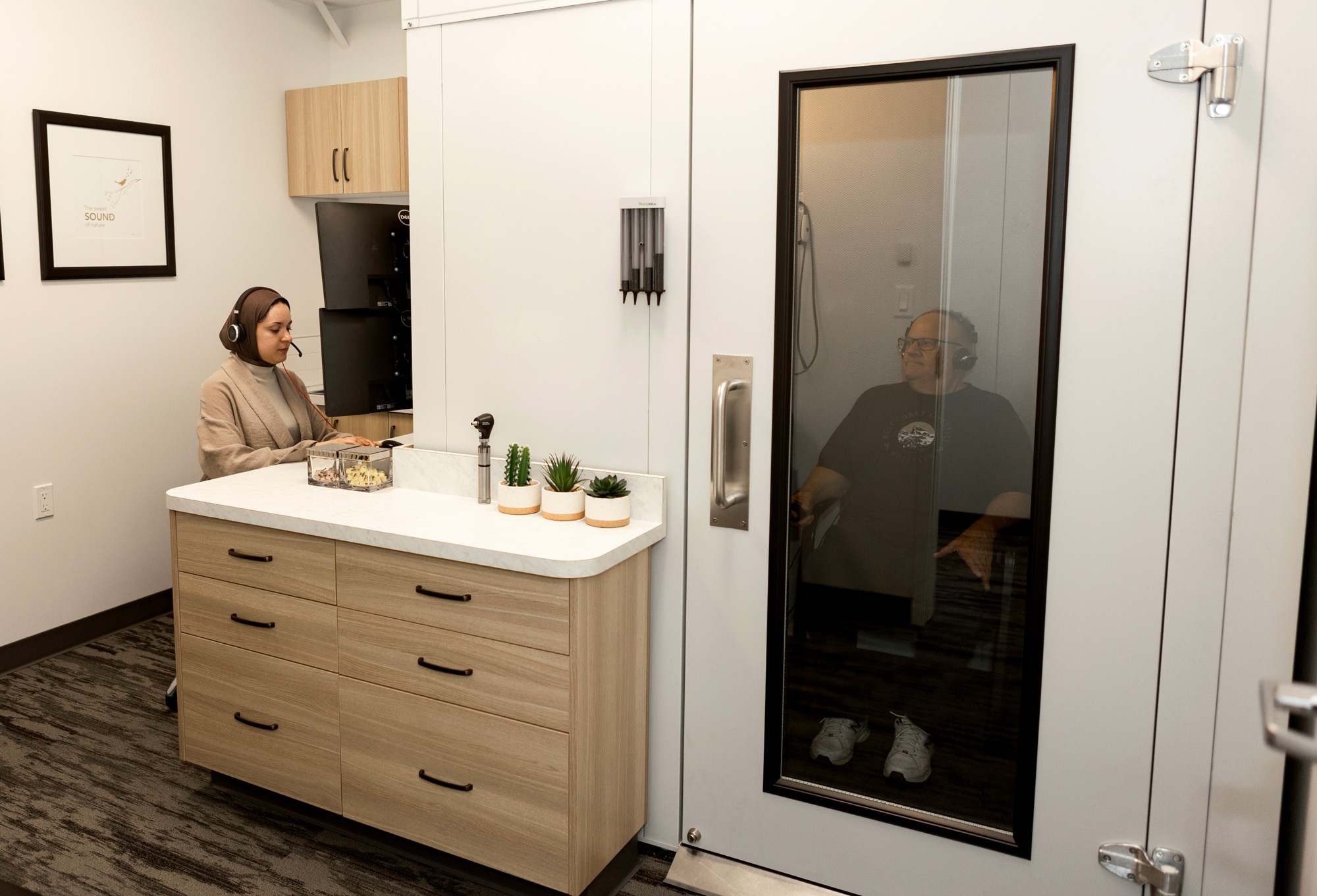
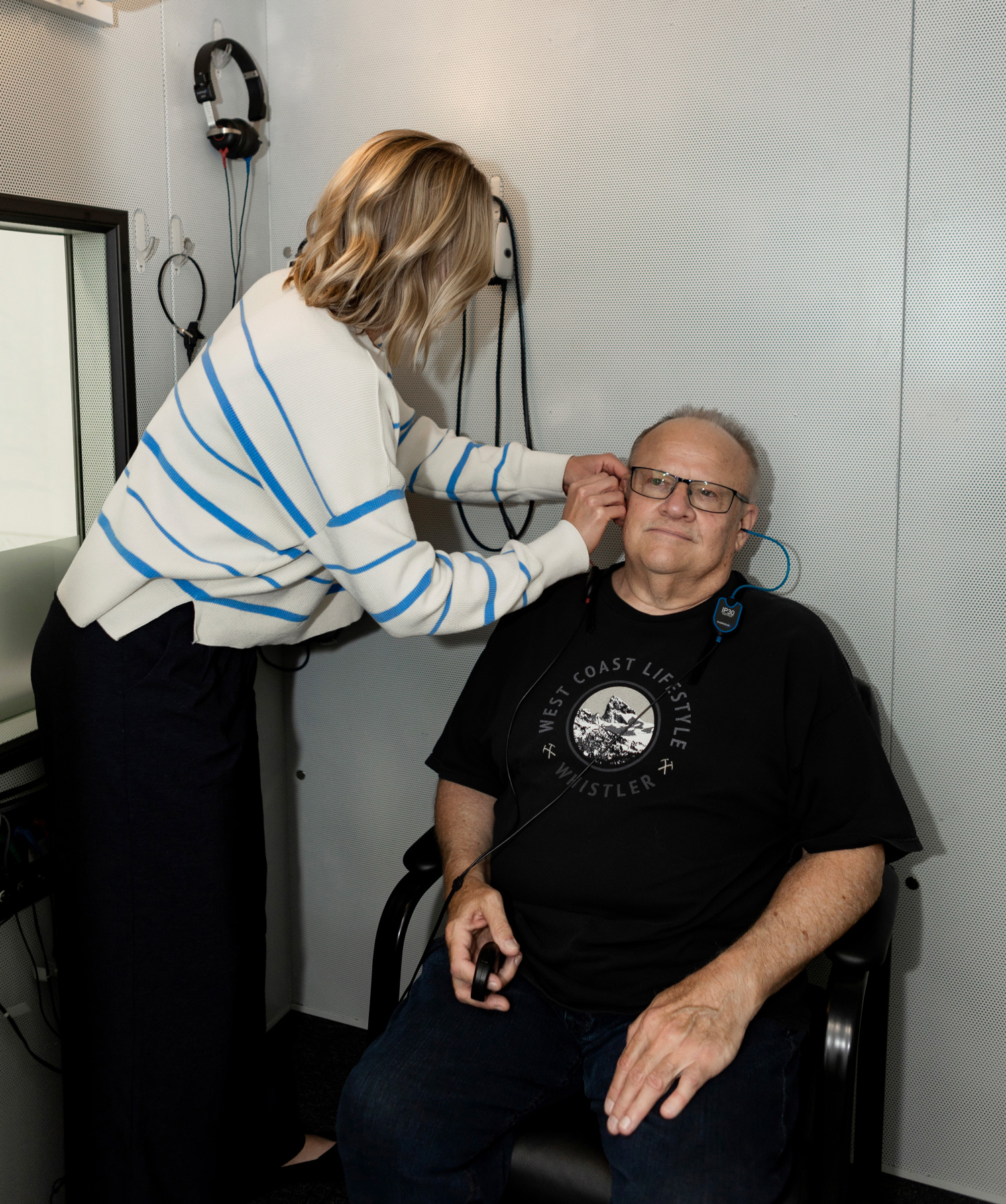
This is the part of a hearing assessment that people tend to remember the most. Various earphones and headpieces will be placed on or around your ears while you are seated in a sound treated booth. You will then listen to a series of beeps at various pitches.
This will help us determine the softest volume you can hear at various pitches – or more technically, this helps us determine how much sound pressure is required at various frequencies to stimulate your auditory cortex so that you “hear.” Pure tone audiometry helps us diagnose the severity and location of a hearing loss and is one of the primary tests used to calculate prescriptions for hearing aids.

Middle Ear Analysis and Immittance Audiometry
To review the middle ear system, we will analyze how much your ear drum and middle ear bones are moving. Certain hearing losses are due to a “loose” or “stiff” middle ear system that affects the way sounds are transmitted to your inner ear. We may also test your stapedial reflex (a contraction of the smallest muscle in the body) to determine the status of various nerves in the brain.
Recommendations
Once the testing is complete, our audiologists review the findings to identify exactly which frequencies or speech patterns are being missed. We use this to develop a treatment plan that addresses your listening challenges and lifestyle.
You’ll get an explanation of your hearing health in plain language, so you can make decisions about your care in your own time. Our audiologists will walk you through your results and make recommendations based on what’s going to help you hear better.
Options may include:
- Prescription hearing aids
- Referral to your family physician
- Referral to an otolaryngologist (ear, nose, and throat specialist)
- Referral to an otologist or neurotologist
- Referral for bone anchored hearing aid or cochlear implant candidacy
- Tinnitus treatment and management
- Communication strategies training
- Hearing protection devices
- Assistive listening devices
Why Choose Acoustic Audiology for Your Hearing Tests
A hearing assessment forms the foundation of any treatment or rehabilitation, so our hearing tests go beyond simply measuring how well you can hear. We will complete a series of tests to assess all aspects of your hearing system and discuss the impacts of your hearing on your lifestyle.
Acoustic Audiology is the only hearing clinic in Lloydminster with a clinical audiologist, so you can better understand why you experience sounds the way you do. We use this information to provide recommendations for next steps that can make the biggest difference to your hearing.